As a child, and then as a teenager, I do not remember ever being without a book. I’d always have a dog-eared library book stashed away in my desk or my backpack for when I was finished my assignment. One of my beloved L.M. Montgomery and or Charles Dickens novels would accompany me to restaurants with my family. Later, sitting alone in the high school cafeteria, books became a way to disappear.
For this undiagnosed autistic girl, books weren’t just stories. They were armor.
I was a socially awkward child, and it wasn’t only the autism. My family moved every one or two years. Books gave me some semblance of consistency. Once a book is written, it usually never changes. As well, growing up steeped in the culture of late nineties and early 2000’s charismatic evangelism, most typical media was banned from the house. This created a general fear of exposing myself to anything that might be deemed “bad,” and made it difficult to interact with my public-school peers.
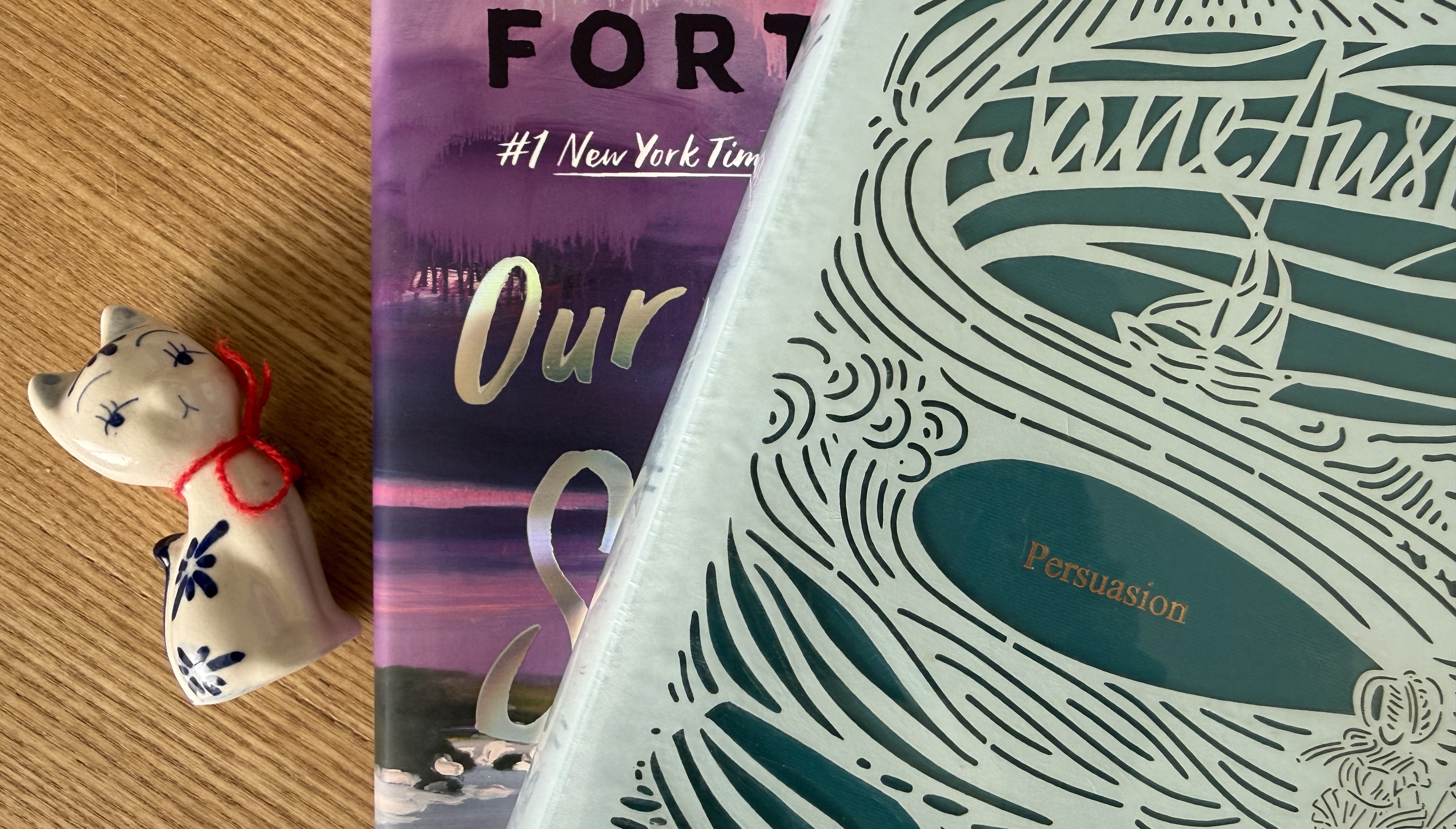
This fear was so ingrained, that as a rule, I read books by dead authors. Not because I was secretly a cool little goth kid. I lived in fear of my parents finding a book contained something objectionable and that I would be in trouble for having chosen it. Old books were safe by some fallacy that any decade before the Sexual Revolution was charming and innocent. I latched onto Victorian authors, and then Jane Austen, like a lifeline.
I had read substantial portions of many future syllabi before even starting my English degree. I loved studying literature, truly. It was a full immersion in the art that had been my most consistent friend since I was six years old. And I was good at it. I dove headlong into my coursework, dreaming of perhaps even doing graduate work in literature one day: a life truly dedicated to reading.
I completed a B.A. and a B.Ed. concurrently. When I convocated and went to work as a middle school language arts teacher, I don’t think I read a single book that school year. Or the next. Or the year after.
Teaching so painfully exhausted the entirety of my mental energy. I went into the field with dreams of making schools less of hell for children than they had been for me. For fifteen years, I slogged it out, returning to comforting classics like Jane Austen, and eventually the odd science fiction or Tolkien during the summer. Somehow, I still managed to write poetry, but I no longer had to worry about running out of space on my bookshelf—another fear that had once felt deeply unsettling as a child.
When I finally quit teaching, when my brain finally got a break from never-ending demands and high-pressure decisions, when I started a job that didn’t steal my mental health and leave me in a state of nonstop masking, something quite beautiful happened: I started to read again.
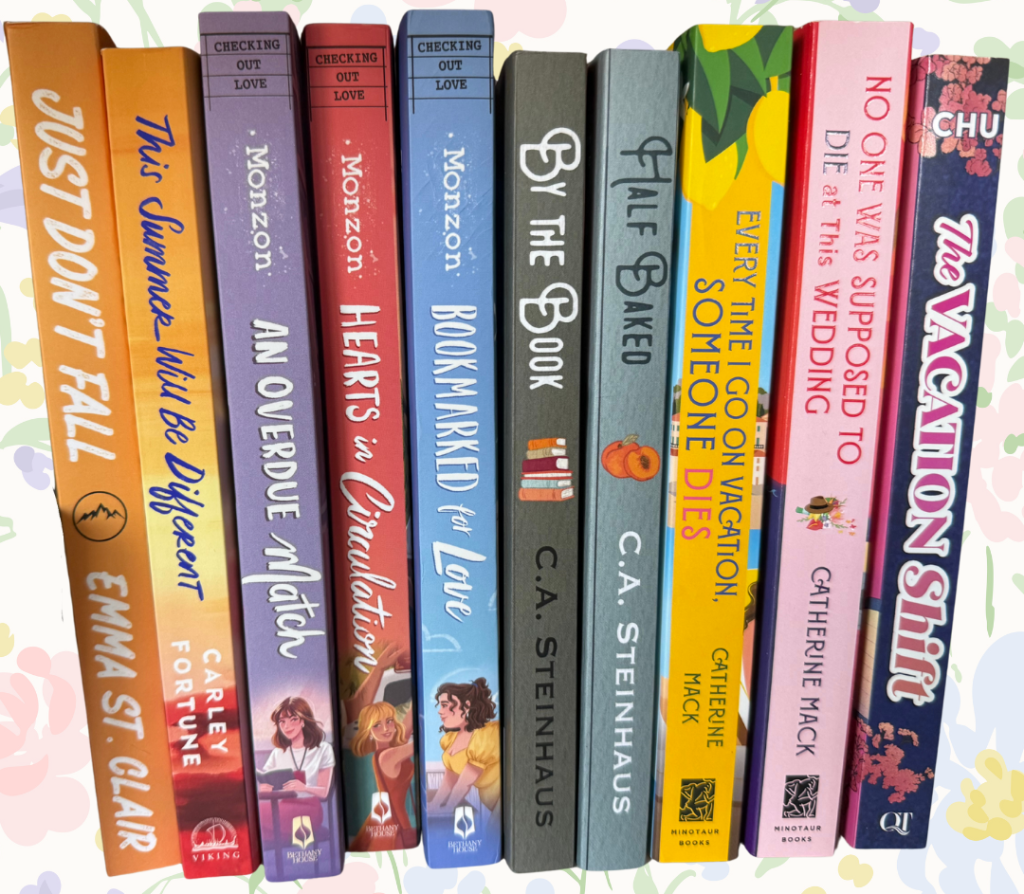
And not just dusty Victorian novels either, although I still do have a soft spot for them. I finally gave myself permission to read exactly what I wanted to: science fiction, biographies, even contemporary fiction.
Because the point isn’t to cross off every heady literary tome on someone else’s 100 Books to Read Before You Die list. The point is to read what brings you joy. And for me, that also means writing what brings me joy. Reading and writing not to disappear, or to mask, or to please someone else, but for the sheer joy of it.
Welcome to Britni’s Bookshelf.



Leave a comment